Institution · Abandoibarra
Museum of Fine Arts (Museo de Bellas Artes)
Older, quieter and in some ways more rewarding than its famous neighbour, the Museum of Fine Arts holds one of the most complete surveys of Spanish and European painting in the north of the country.
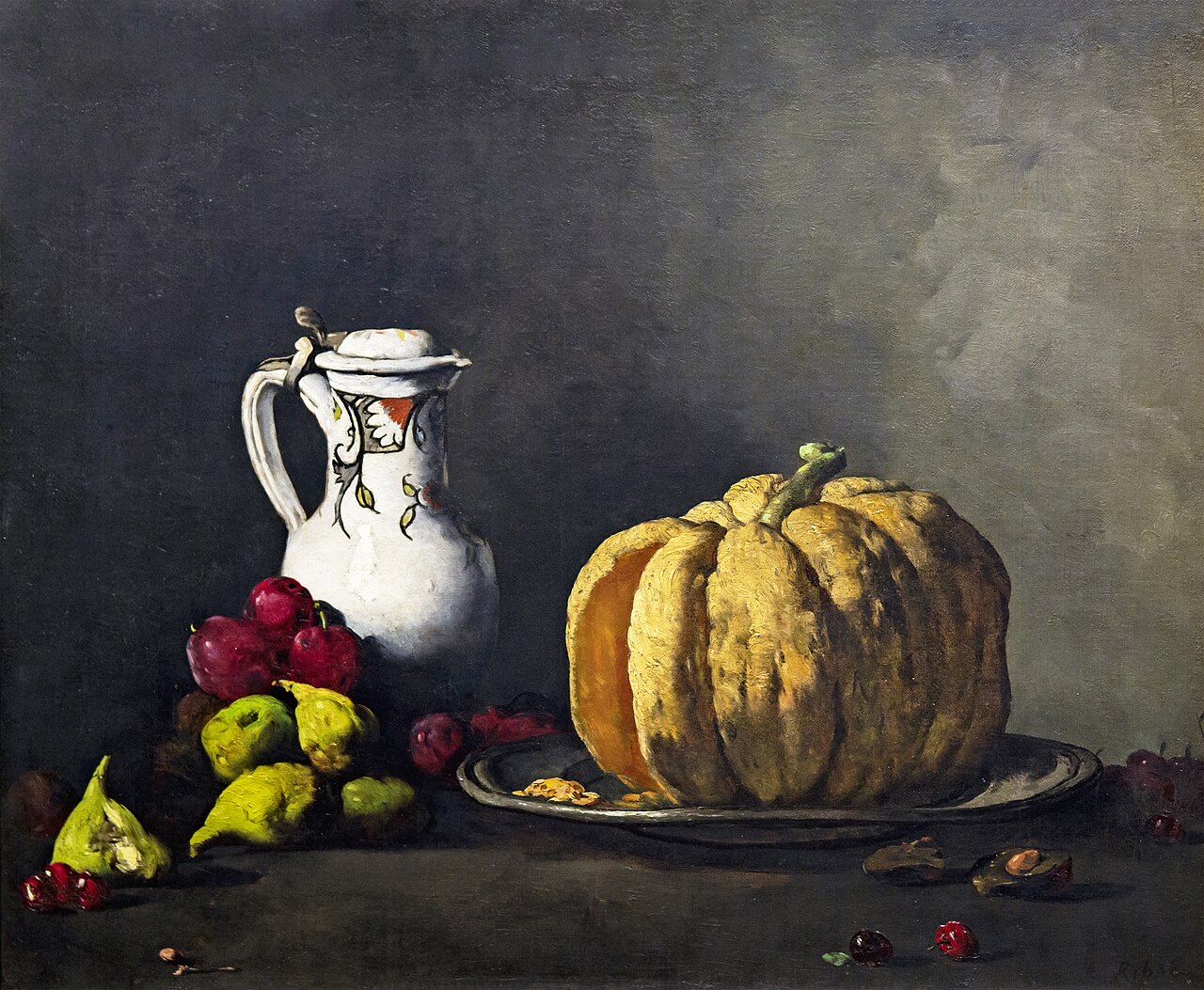
Two buildings, one collection
The museum has grown in stages. Its historic building faces the park, while a modern extension opened in 2022 to link the holdings into a single continuous route. The result is a collection that moves from medieval and Renaissance panels through Baroque and nineteenth-century painting and on into twentieth-century and contemporary work, without forcing the visitor to double back.
Strengths of the collection
The museum is strongest, arguably, in Spanish painting of the nineteenth and early twentieth centuries, and in the Basque artists who worked within that tradition. The old masters gallery gives useful context, and the modern rooms handle the transition into abstraction with care. Temporary shows tend to draw on the permanent holdings rather than travelling exhibitions, which gives the building a settled, studied character.
Atmosphere
Because it stands in the shadow of the Guggenheim, the Museum of Fine Arts is rarely crowded and often feels like a discovery. Rooms are generously spaced, seating is plentiful, and the pace of a visit is gentle. It suits anyone who wants to look closely rather than sweep through.
Practical notes
Allow about two hours for a considered visit. The museum sits beside the park and within easy walking distance of the Guggenheim. See the opening rhythm page for how its week is arranged, and the accessibility guide for no-step routes between the two buildings.
Why it matters
A city's art museum is a slow document of what its citizens have valued over centuries. Bilbao's is no exception: it shows a port city collecting, arguing and revising its taste. That story is worth an unhurried afternoon, and it is told here without fanfare.